From banana stem fibres
Banana
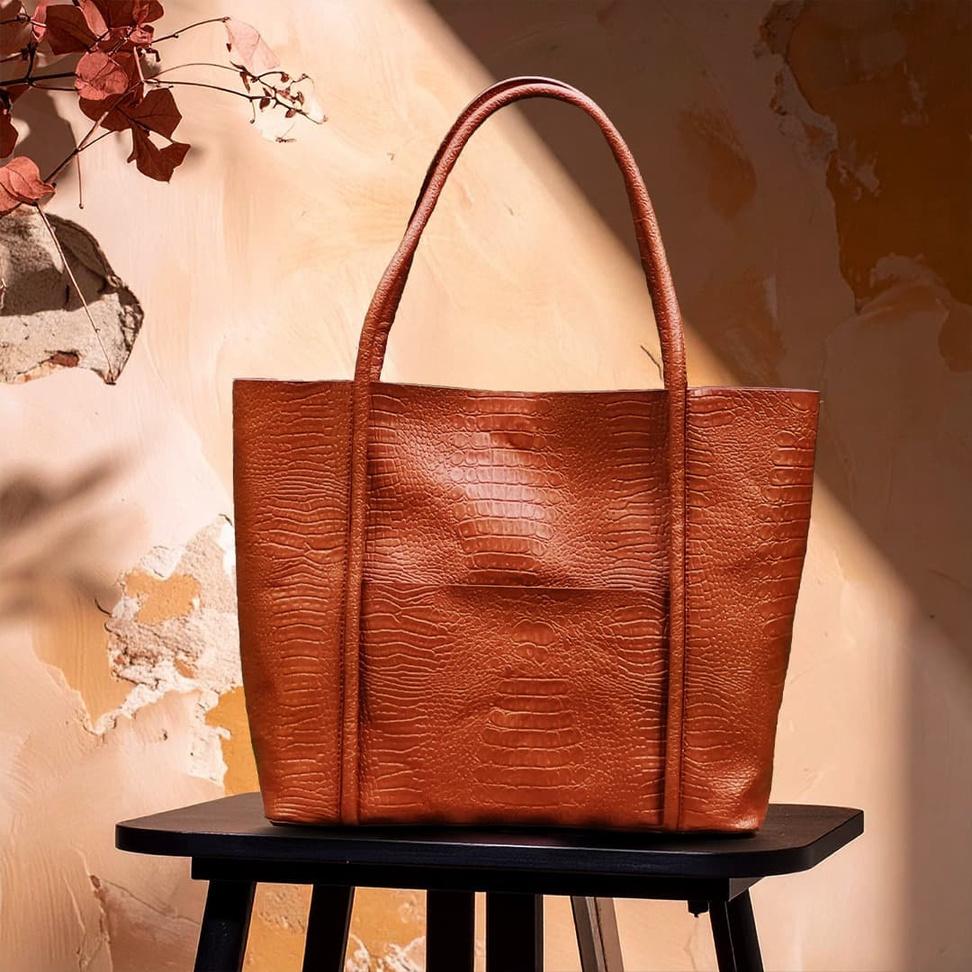
Supple and strong. Banana fibre leather has a natural warmth and breaks in beautifully with wear. An abundant by-product of the harvest.
Our Materials
Our materials are derived from agricultural by-products - parts of the harvest that would otherwise go unused. Each material has its own character, and we let that character inform the design.
The Four
From banana stem fibres
Supple and strong. Banana fibre leather has a natural warmth and breaks in beautifully with wear. An abundant by-product of the harvest.
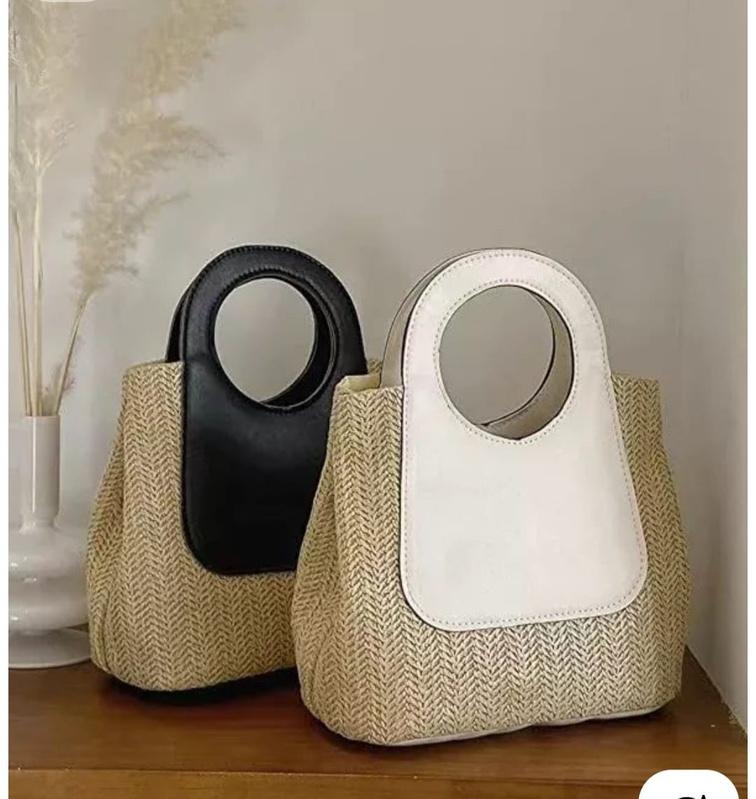
From sugarcane bagasse
The fibrous residue left after juice extraction - abundant, often discarded, and remarkably well-suited to leather-making. Smooth and lightweight, with a clean finish that lends itself to structured silhouettes.
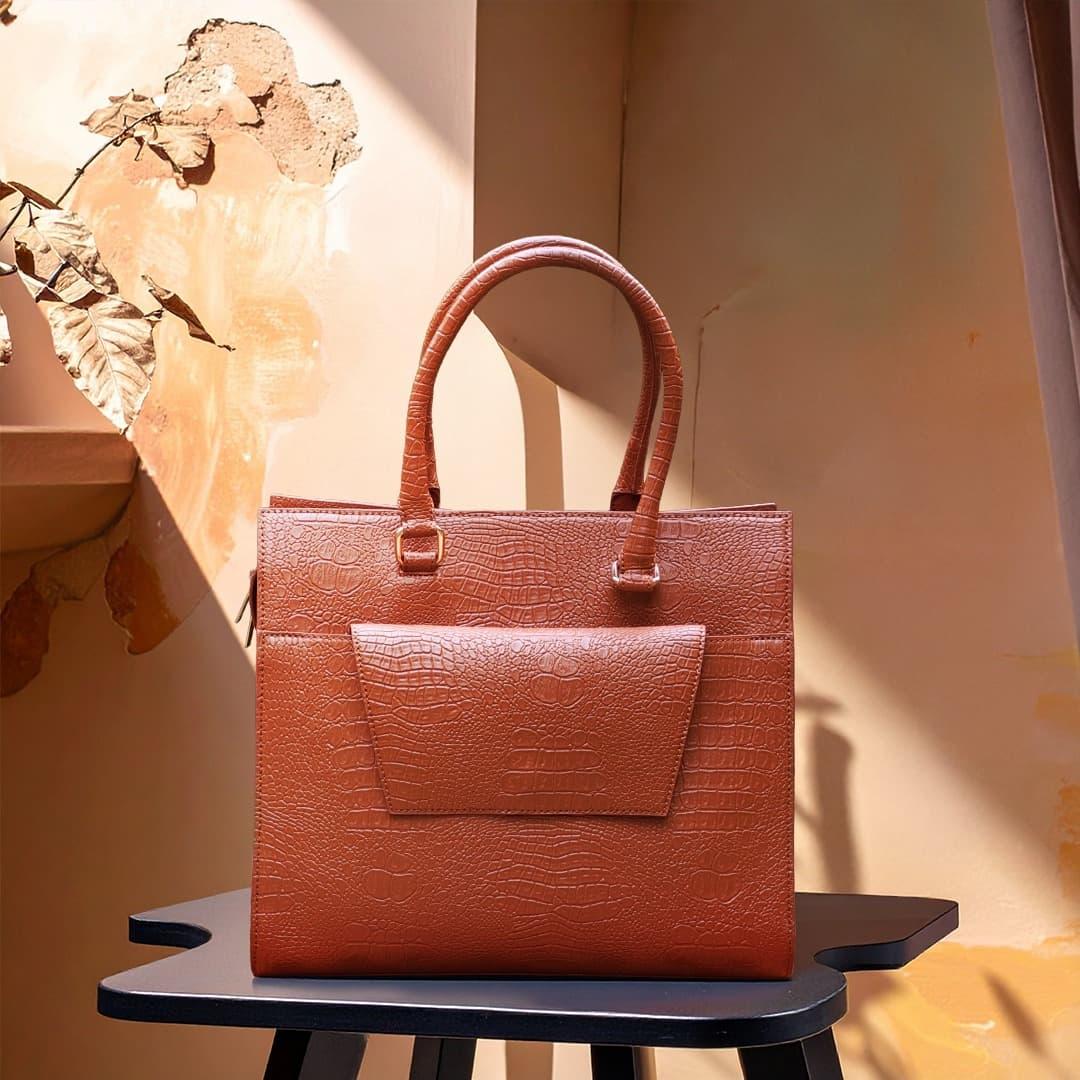
From cactus leaves
Harvested without uprooting the plant. Cactus leather is one of the most durable plant-based materials - firm, refined, and water-resistant.
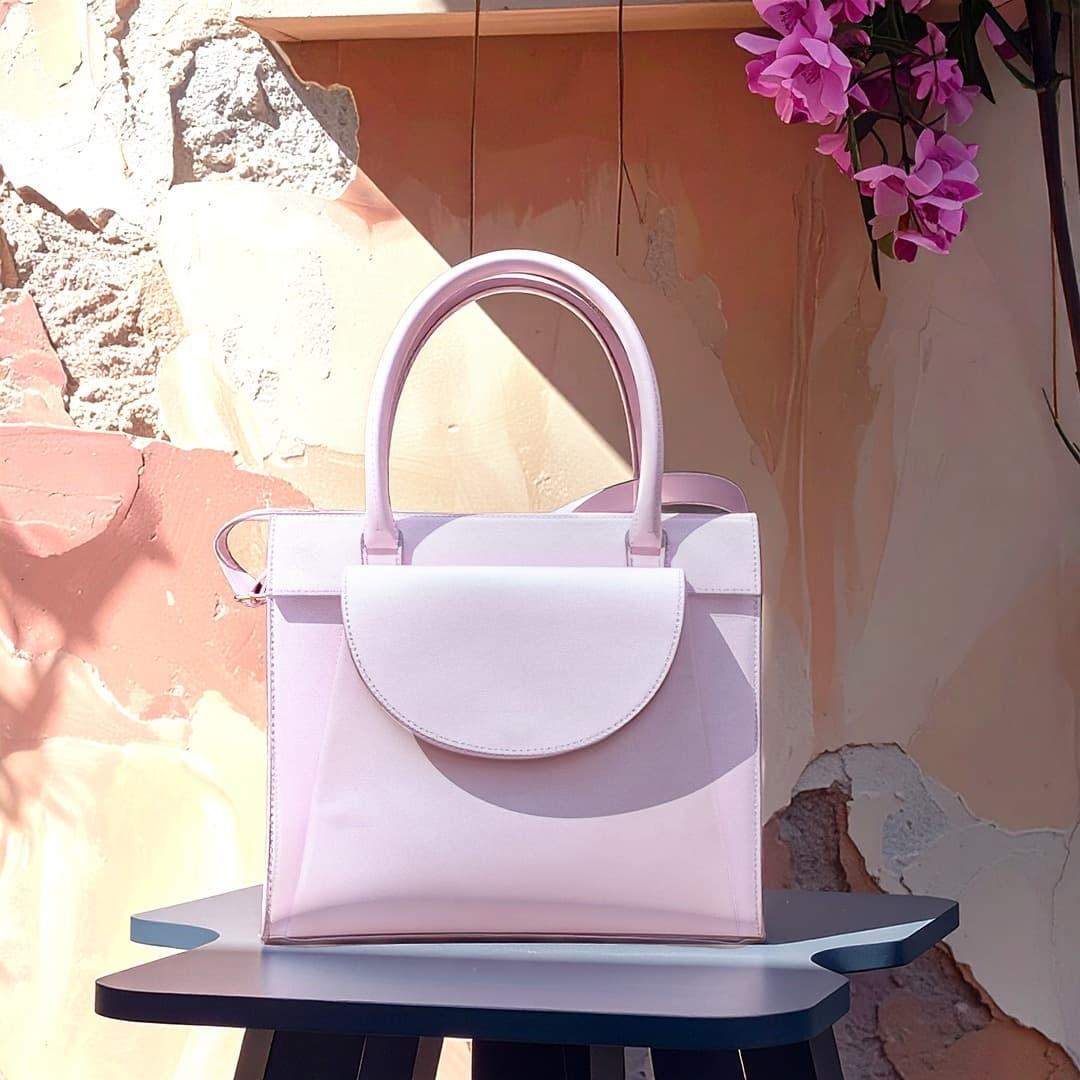
From apple pomace
The residue of apple pressing - seeds, skins, cores - transformed into a fine-grained, smooth leather with a lightness that surprises.
Plant-based leathers are a category in development. Most currently include a small percentage of PU - a bio-based or recycled binder that gives the material structure and longevity. We are transparent about this, because we believe that honesty is what earns trust, not just the right language.
Each product page specifies the exact material composition of that piece. We update this as materials evolve.
Our parent company, Tribhagini LLP, holds ISO 14001:2015 certification - the international standard for environmental management systems. This means our processes, not just our materials, are held to account.